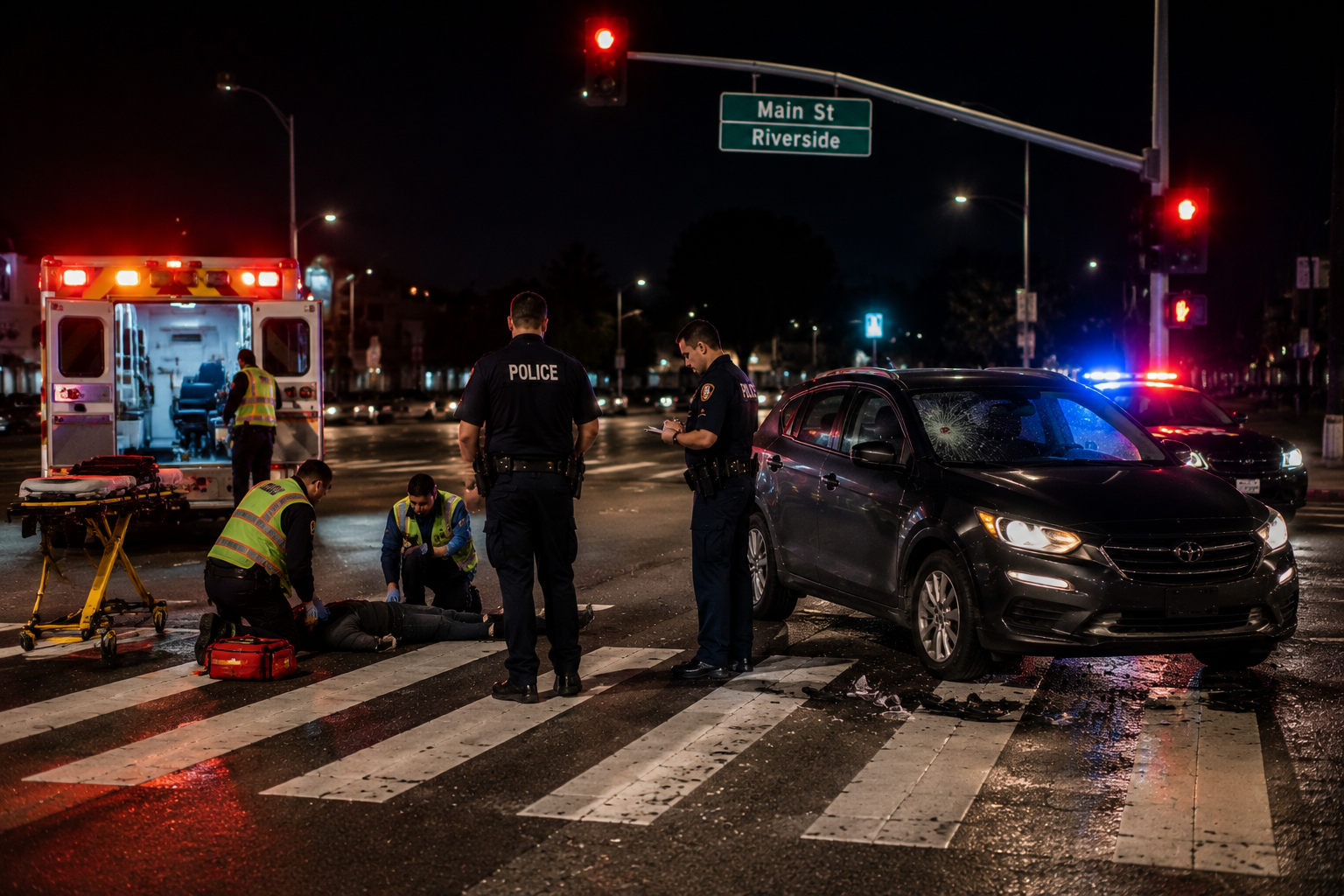
Pedestrian accidents in Riverside County often result in serious injuries due to the vulnerability of individuals on foot compared to motor vehicles. When a pedestrian is struck by a vehicle, the impact can lead to significant medical costs, long-term recovery, and legal questions about who is responsible for the crash.
Understanding liability, insurance coverage, and legal options is essential for anyone involved in a pedestrian accident. These incidents can occur at crosswalks, intersections, parking lots, residential areas, and even along road shoulders where pedestrians are expected to be visible and safe.
This guide explains how pedestrian accidents happen, who may be liable, what injuries are common, and what steps victims can take to protect their rights in Riverside County.
How Pedestrian Accidents Happen
 Pedestrian accidents can happen in many everyday situations where drivers and walkers share road space. Many crashes occur in urban intersections where traffic flow is heavy and drivers may fail to notice pedestrians in time.
Common causes of pedestrian accidents include:
- Distracted driving such as texting or using GPS
- Failure to yield at crosswalks
- Speeding through intersections
- Driving under the influence
- Running red lights or stop signs
- Low visibility at night or during bad weather
- Reckless turns at intersections
According to the National Highway Traffic Safety Administration, pedestrian fatalities remain a serious concern in traffic safety across the United States, particularly in urban areas where vehicles and foot traffic frequently interact.
Who May Be Liable in a Pedestrian Accident
Determining liability in a pedestrian accident depends on the specific circumstances of the crash. In many cases, the driver is found responsible for failing to exercise reasonable care. However, liability may also involve shared responsibility depending on traffic laws and behavior at the time of the accident.
Possible liable parties include:
- Vehicle drivers who failed to yield or acted negligently
- Pedestrians who may have crossed outside designated crosswalks
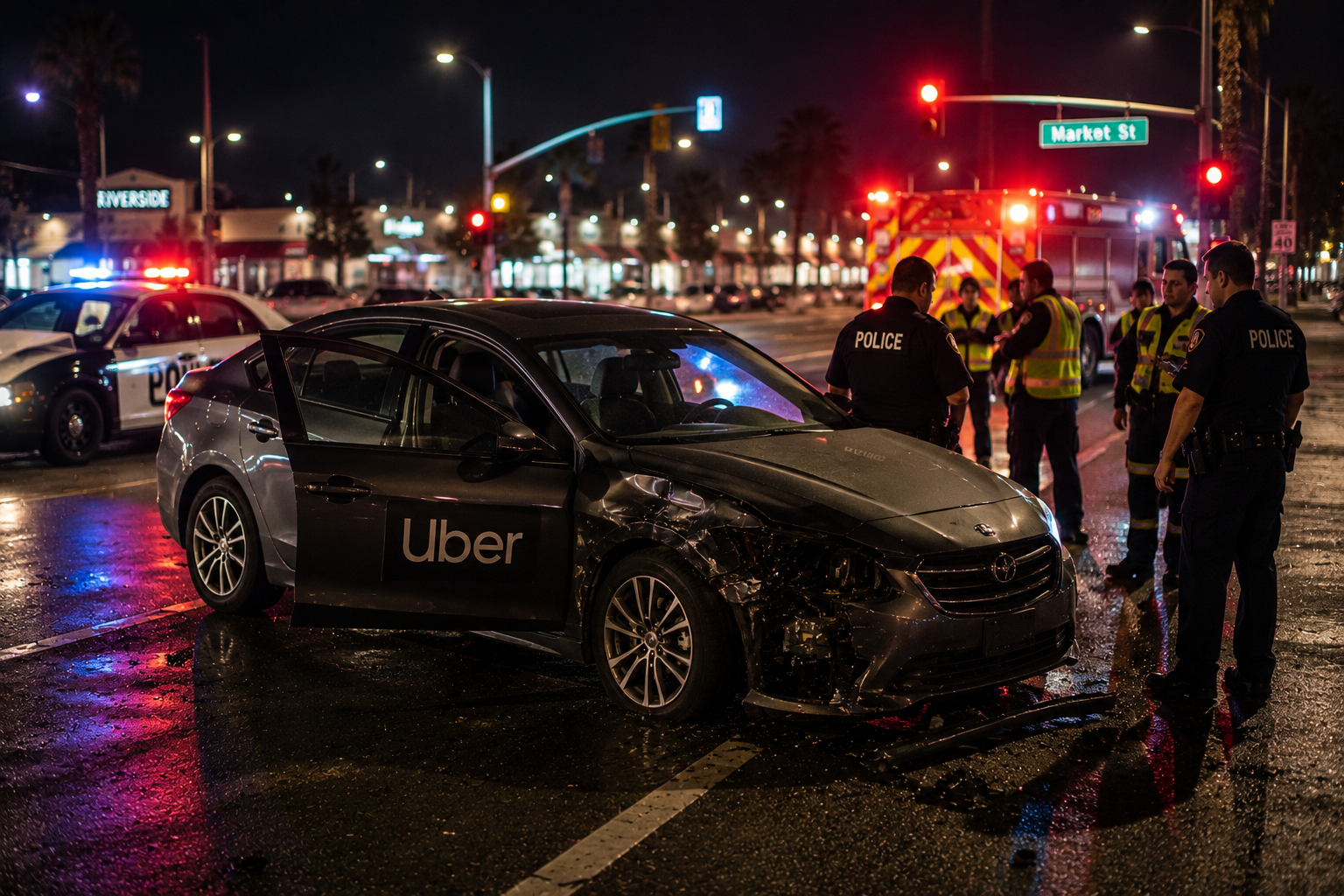
- Commercial drivers or rideshare operators
- Government entities responsible for unsafe road design or signage
California follows comparative negligence rules, which means fault can be divided between multiple parties. You can read more in our guide on comparative negligence in Riverside accident claims.
Common Injuries in Pedestrian Accidents
Because pedestrians have no physical protection against vehicles, injuries are often severe. Even low-speed collisions can cause significant trauma depending on the point of impact.
Common injuries include:
- Broken bones and fractures
- Head injuries and concussions
- Spinal cord injuries
- Internal bleeding
- Soft tissue injuries
- Severe cuts and bruises
- Traumatic brain injuries
In many cases, recovery requires long-term medical treatment, physical therapy, or surgery. Immediate medical evaluation is important even if injuries are not visible at the scene.
What to Do After a Pedestrian Accident
The steps taken immediately after a pedestrian accident may affect both health outcomes and legal claims. Even if injuries seem minor, it is important to document the incident and seek medical care.
Call Emergency Services
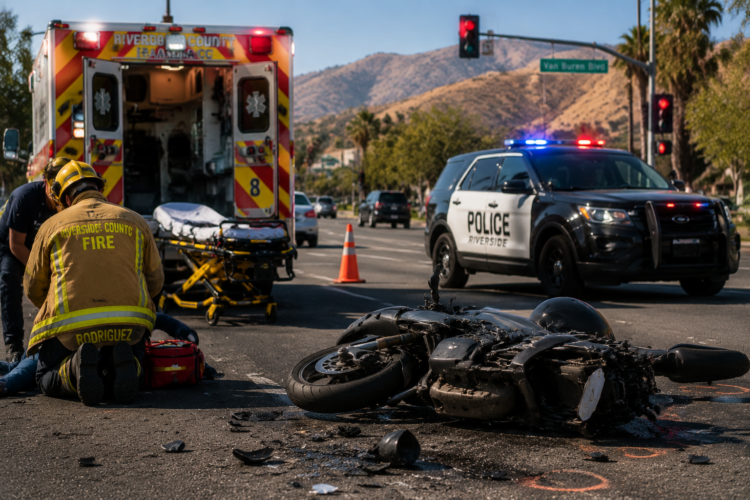
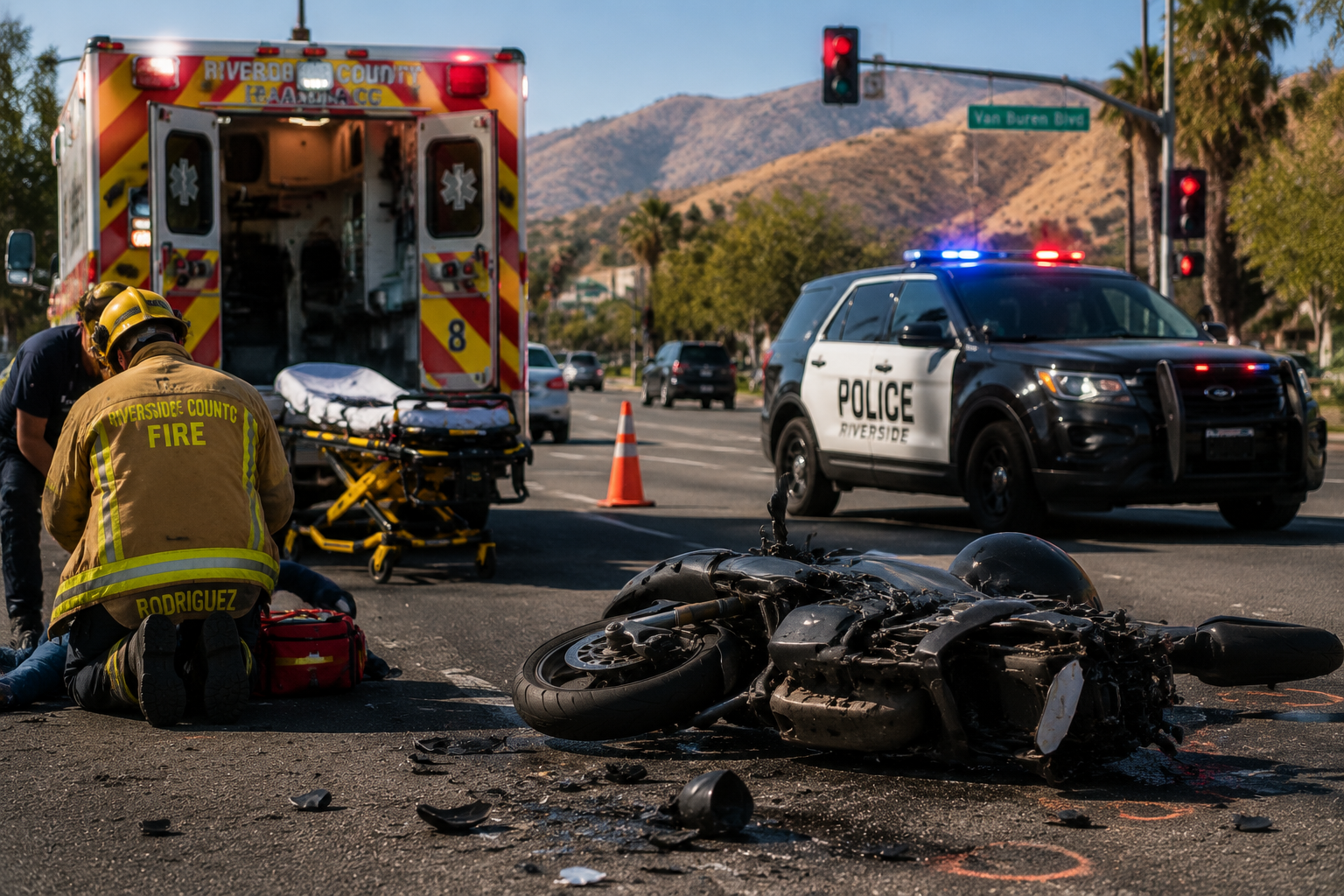
Law enforcement and medical responders should be called immediately. A police report may help document the circumstances of the accident, including witness statements and driver information.
Seek Medical Attention
Medical evaluation is critical even if symptoms are delayed. Some injuries such as internal trauma or brain injuries may not be immediately obvious.
For additional guidance on accident response, see our article on what to do after a car accident in Riverside County.
Gather Evidence
If possible, evidence should be collected at the scene. This includes photos, witness contact details, and information about the vehicle involved.
Evidence That Helps Pedestrian Accident Claims
 Strong evidence is important when determining fault and pursuing compensation. Insurance companies often rely on documentation to evaluate claims.
Helpful evidence includes:
- Police reports
- Medical records
- Witness statements
- Photos of the accident scene
- Traffic camera or surveillance footage
- Driver statements and insurance details
- Crosswalk and traffic signal evidence
In some cases, accident reconstruction experts may be used to determine speed, impact point, and driver reaction time.
Insurance Coverage in Pedestrian Accidents
Insurance coverage in pedestrian accidents may depend on the driver’s auto insurance policy. If the driver is at fault, their liability coverage may apply to the injured pedestrian.
In some cases, uninsured or underinsured motorist coverage may also apply if the driver does not have adequate insurance. Medical payment coverage may also help cover initial treatment costs depending on the policy.
The California Department of Insurance provides consumer information regarding auto insurance coverage and claim rights in California.
Shared Fault in Pedestrian Accidents
Not all pedestrian accidents result in full driver liability. California law allows fault to be shared between parties. For example, a pedestrian crossing outside a designated crosswalk may share partial responsibility depending on the circumstances.
Even when fault is shared, injured victims may still recover compensation, but the amount may be reduced based on their percentage of responsibility.
Why Legal Review May Be Helpful
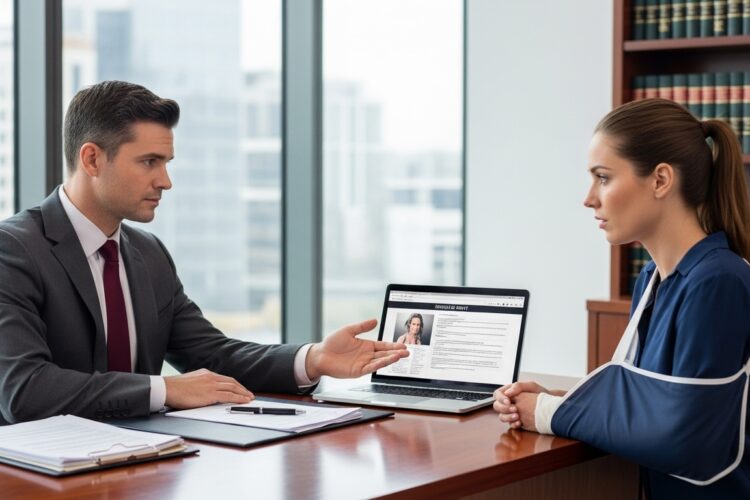
Pedestrian accident claims may involve complex insurance rules, liability disputes, and medical evaluations. Reviewing evidence and understanding coverage options can help clarify what compensation may be available.
Legal claims may involve negotiation with insurance companies, review of police reports, and assessment of long-term damages such as medical care and lost income.
Final Thoughts
Pedestrian accidents in Riverside County can lead to serious injuries and complex legal situations. Understanding liability, collecting evidence, and seeking medical care early are important steps after a crash.
Each case may involve different factors such as driver behavior, road conditions, and insurance coverage. Proper documentation and timely action may help support a stronger claim.