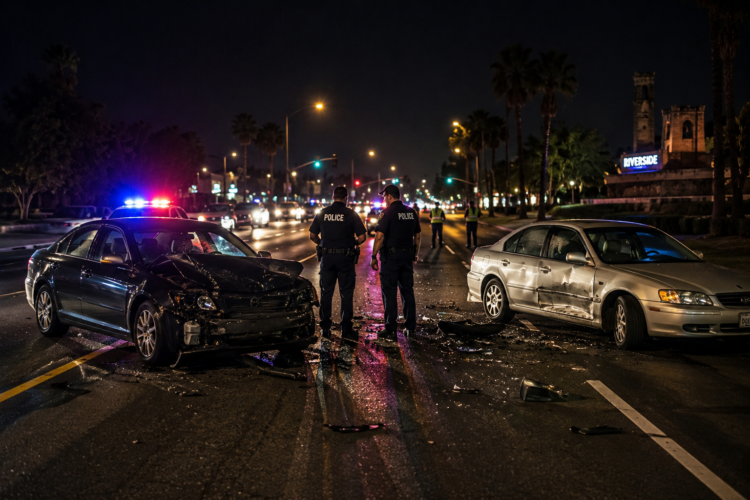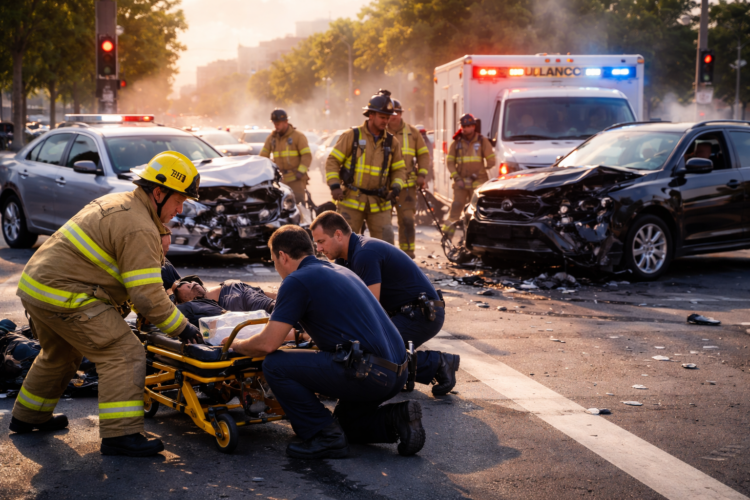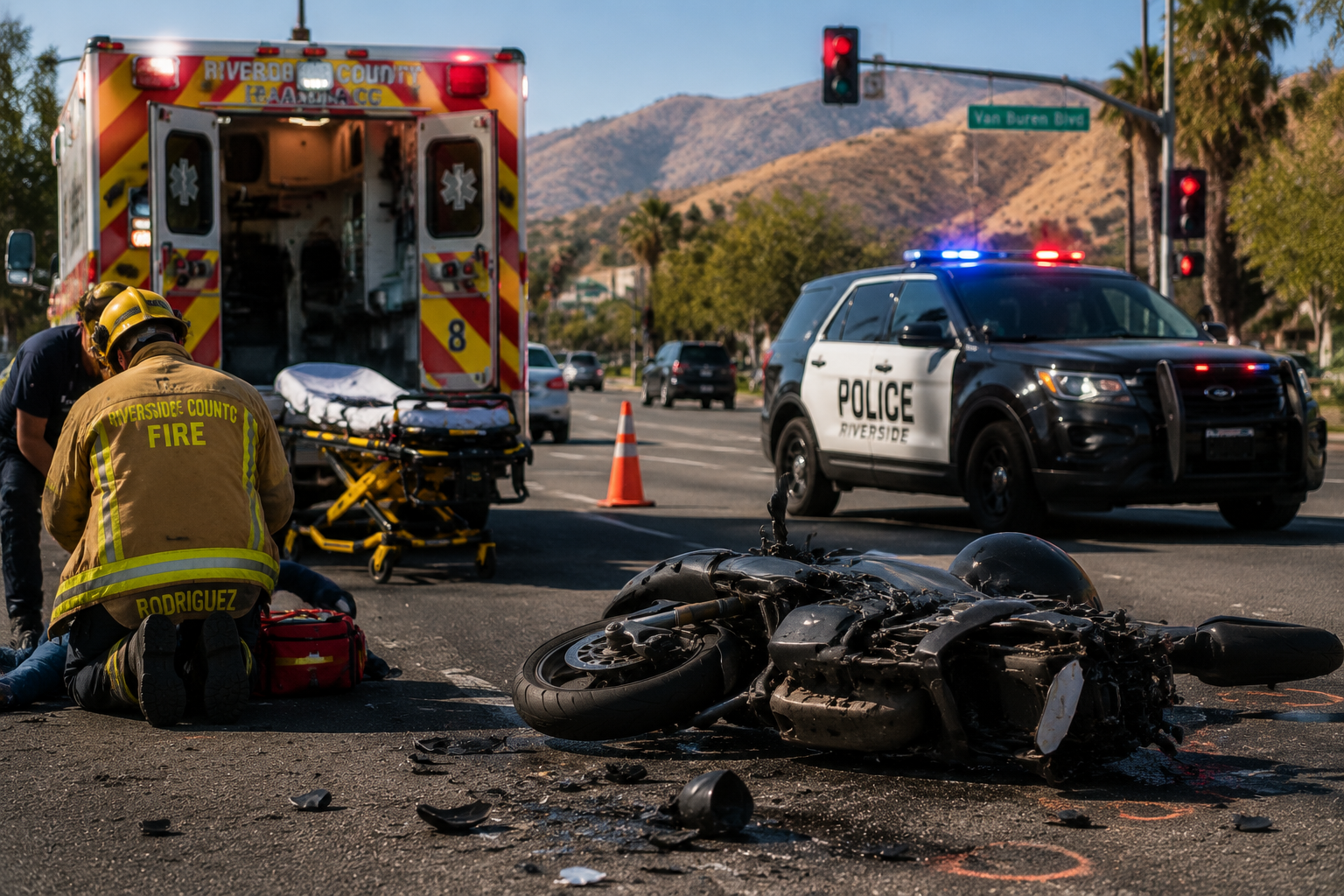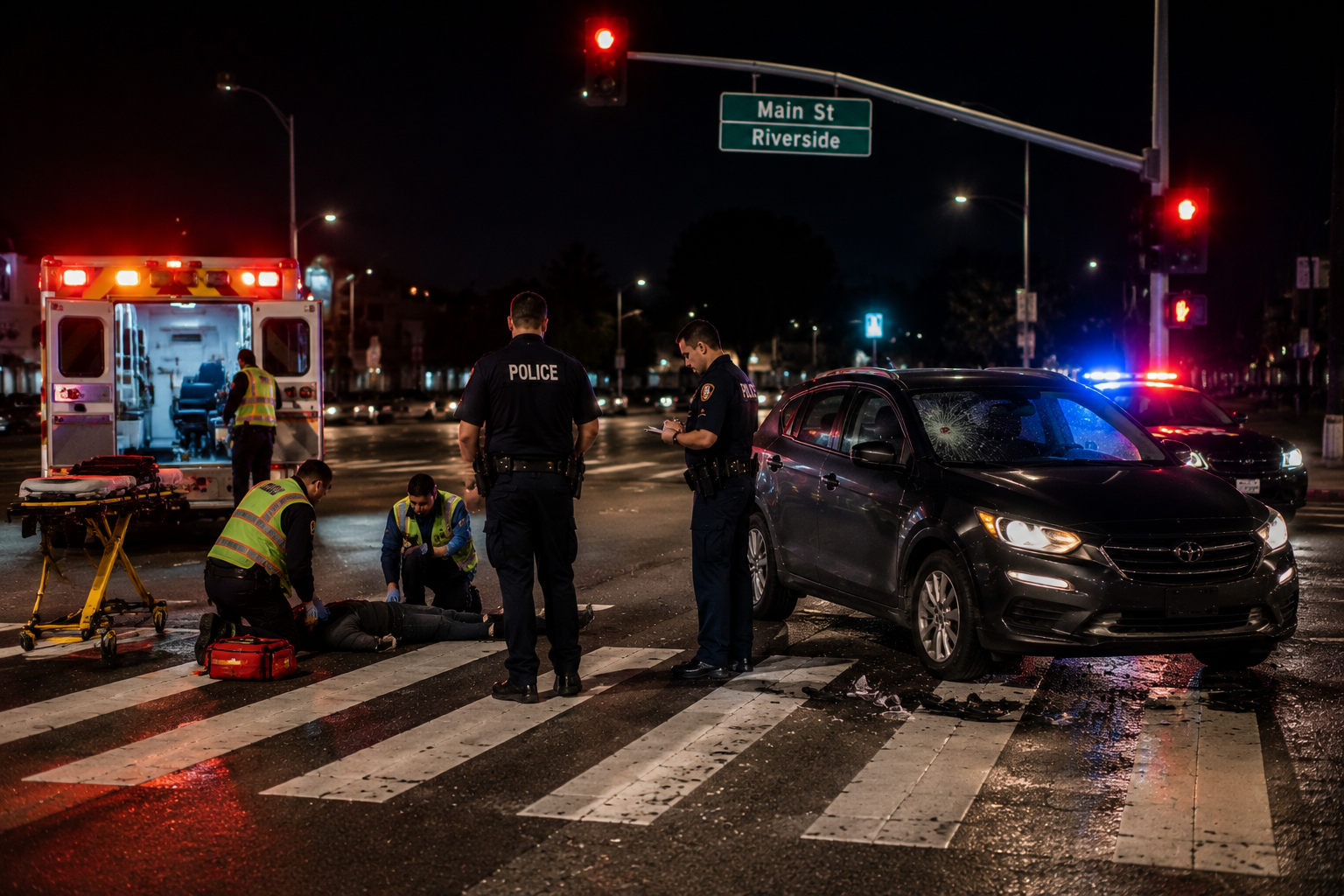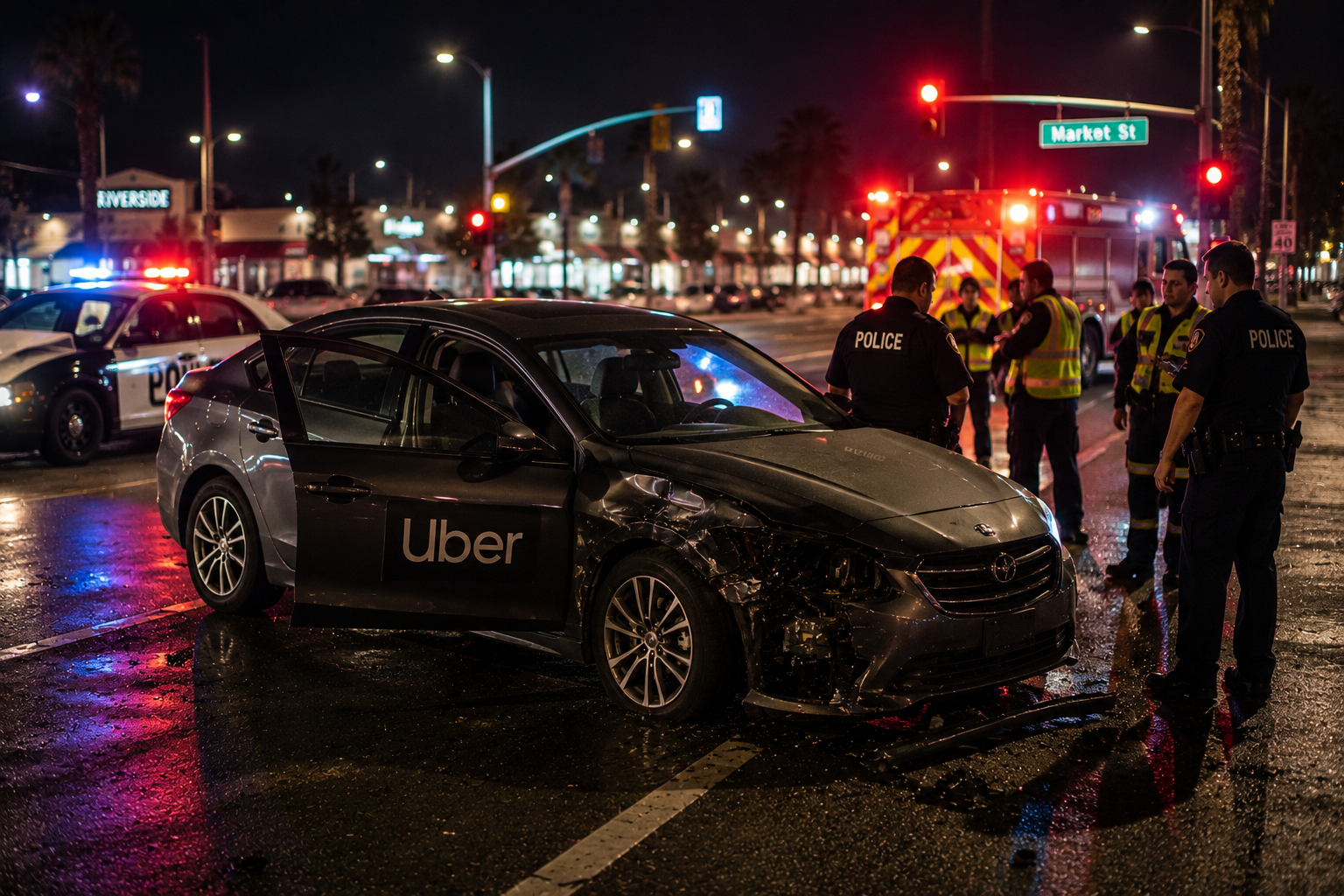
Rideshare accidents in Riverside County can involve more than one driver, more than one insurance policy, and several questions about who may be responsible for injuries. These crashes may involve rideshare passengers, app-based drivers, pedestrians, cyclists, or occupants of other vehicles. Because rideshare services operate through digital platforms, accident claims may require a closer review of driver status, trip records, insurance coverage, and available evidence.
Unlike a regular two-car crash, a rideshare accident may depend on whether the driver was logged into the app, waiting for a ride request, traveling to pick up a passenger, or actively transporting someone. These details can affect which insurance policy may apply. Accident victims may also need medical records, police reports, app screenshots, and witness information to support an injury claim.
This guide explains key issues after a rideshare accident in Riverside County, including liability, insurance coverage, evidence, injuries, and practical steps after a collision.
Why Rideshare Accidents Can Be Complicated
Rideshare accidents can be more complicated than standard car accidents because several parties may be connected to the crash. A claim may involve the rideshare driver, another motorist, the rideshare company’s insurance policy, the driver’s personal auto insurer, or another third party.
Liability may also depend on what the driver was doing at the time of the crash. A driver who is not logged into the app may only have personal auto insurance available. A driver waiting for a ride request may have limited rideshare coverage. A driver who accepted a trip or has a passenger in the vehicle may be covered under a different policy structure.
Because of these coverage differences, injured passengers and motorists often need to document the driver’s app status as soon as possible. A screenshot of the ride, trip receipt, driver profile, route, and pickup or drop-off details may help clarify the timeline.
For broader background on accident-related legal issues, you can review our guide on personal injury laws in Riverside County.
Common Causes of Rideshare Accidents
Rideshare drivers spend significant time on the road. They may drive in unfamiliar neighborhoods, follow app directions, monitor ride requests, and manage passenger pickups. These factors can increase the risk of driver distraction or sudden traffic movements.
Common causes of rideshare accidents include:
- Distracted driving
- Speeding
- Unsafe lane changes
- Fatigue from long driving hours
- Failure to yield
- Rear-end collisions
- Sudden stops during pickups or drop-offs
- Driving under the influence
- Poor visibility at night
The National Highway Traffic Safety Administration provides safety information about distracted driving, which remains a major concern in crashes involving app use, navigation systems, and mobile devices.
Who May Be Injured in a Rideshare Crash?
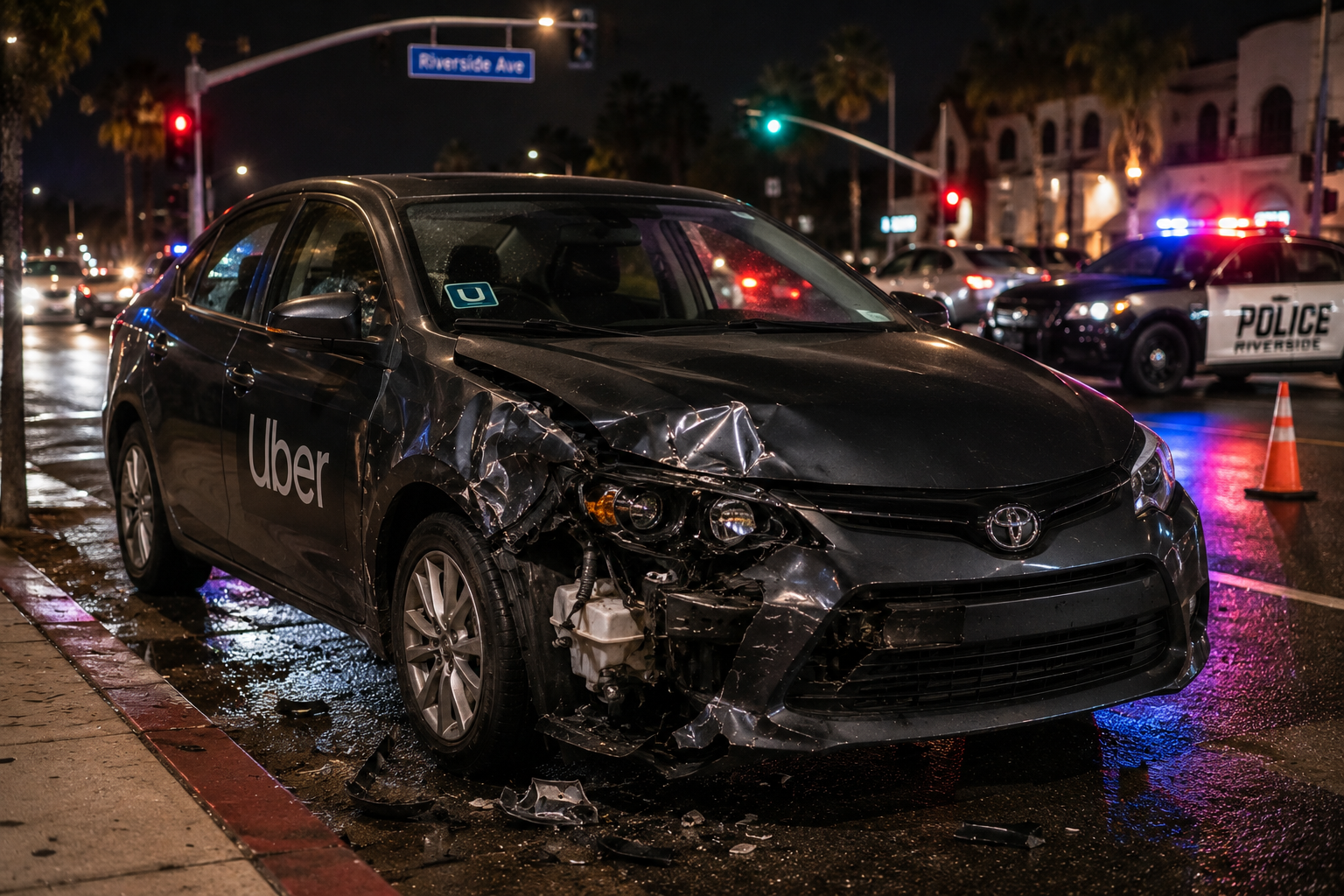
Rideshare collisions may affect several people. A passenger in the rideshare vehicle may suffer injuries even when they had no control over the crash. Other motorists may be injured if the rideshare driver causes a collision. Pedestrians and bicyclists may also be hurt during pickups, drop-offs, or turns near intersections.
Common injuries may include whiplash, back injuries, broken bones, concussions, soft tissue injuries, shoulder injuries, knee injuries, and traumatic brain injuries. Some symptoms may appear immediately, while others may develop later. Medical documentation can help connect injuries to the crash and explain the treatment timeline.
If the crash involves shared fault, California’s comparative negligence rules may affect the claim. You can learn more in our article on comparative negligence in Riverside accident claims.
What Insurance Coverage May Apply
Insurance coverage in a rideshare accident often depends on the driver’s app status. This is one of the most important issues in these claims. Coverage may differ if the driver was offline, available for rides, heading to a passenger, or actively transporting a passenger.
Rideshare companies explain their insurance structures through their official policy pages. You can review general coverage information from Uber’s insurance overview and Lyft’s insurance coverage information.
In many cases, the following coverage issues may be reviewed:
- Whether the driver was logged into the app
- Whether the driver accepted a ride request
- Whether a passenger was inside the vehicle
- Whether another driver caused or contributed to the crash
- Whether the rideshare driver’s personal policy applies
- Whether uninsured or underinsured motorist coverage may apply
California insurance rules may also affect the claim. The California Department of Insurance offers consumer information about auto insurance and coverage concerns.
Steps to Take After a Rideshare Accident
Check for Injuries and Call for Help
Safety comes first after any collision. Passengers and drivers should check for injuries and request emergency help when needed. A police report may also help document the crash, especially when liability is disputed.
Save App Information
Rideshare passengers should save the trip receipt, driver name, license plate, pickup location, drop-off location, route, and time of the crash. Screenshots can help preserve details if app records later become harder to access.
Exchange Information
Collect names, phone numbers, insurance details, license plate numbers, and driver’s license information. If another vehicle was involved, gather that driver’s information as well.
Document the Scene
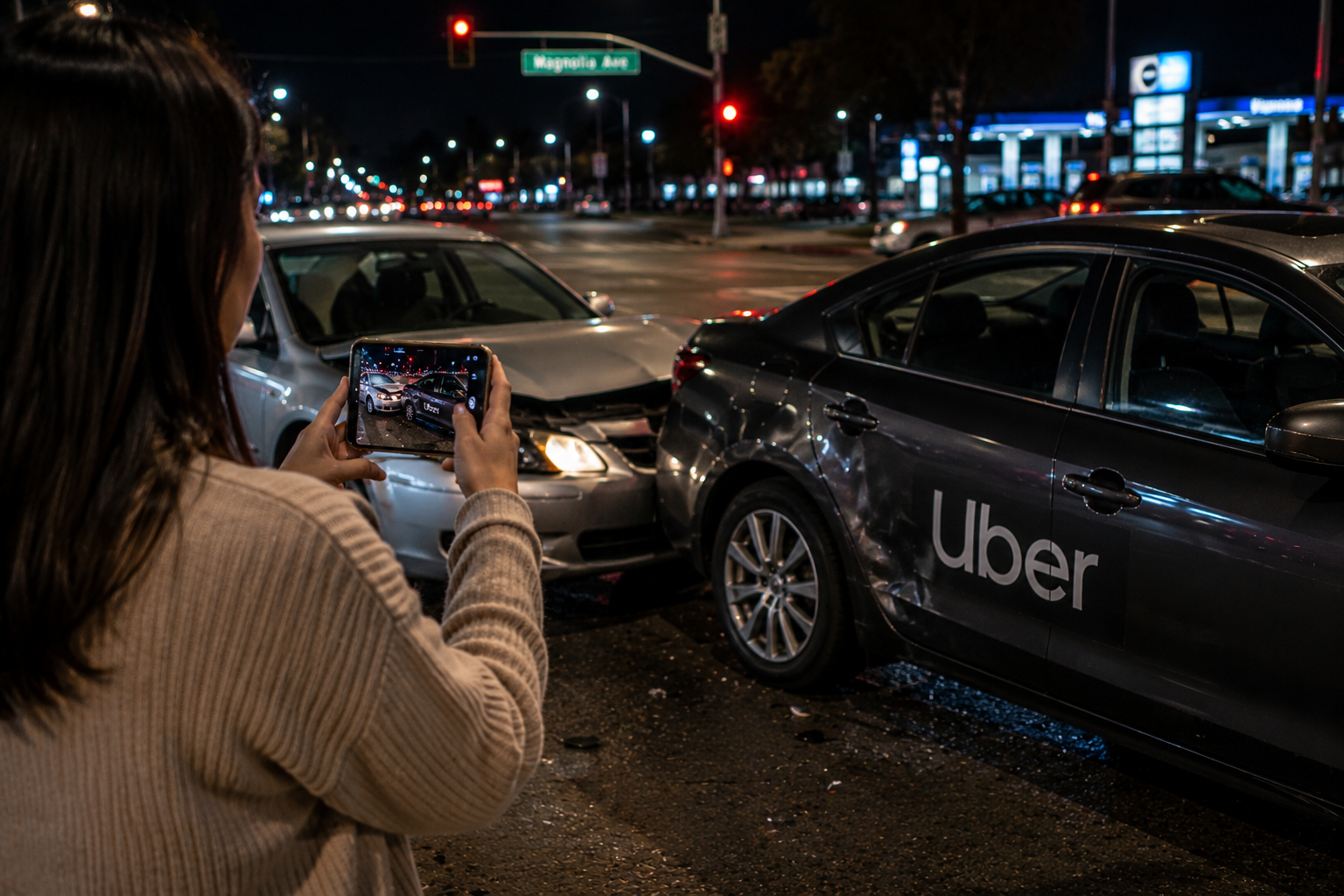
Photos and videos may help show vehicle damage, road conditions, traffic signs, skid marks, debris, weather, and visible injuries. Documentation may also help establish where the rideshare vehicle was stopped or moving before impact.
For more general accident steps, you can review our article on what to do after a car accident in Riverside County.
Evidence That May Help Support a Claim
Rideshare accident claims often depend on evidence. Insurance companies may review app records, police findings, medical records, and vehicle damage before deciding liability and coverage.
Useful evidence may include:
- Police reports
- Trip receipts
- App screenshots
- Driver profile details
- Insurance information
- Photos of vehicle damage
- Medical records
- Witness statements
- Dashcam footage
- Traffic camera footage
- Repair estimates
The California DMV provides driver safety information that may help explain roadway duties, safe driving practices, and shared road responsibilities.
Claims Involving Passengers
Passengers injured in rideshare accidents may have claims against one or more responsible parties. A passenger may not know whether the rideshare driver, another driver, or both caused the crash. This is why collecting information from all involved drivers is helpful.
Passengers should also report the crash through the rideshare app. The report may create a record with the company and may help connect the trip to the accident timeline. However, app reporting should not replace medical treatment, police documentation, or insurance claim preparation.
Claims Involving Other Drivers
Drivers hit by a rideshare vehicle may need to determine whether the rideshare driver was working at the time of the crash. This information may affect whether the claim goes through the driver’s personal policy or a rideshare-related policy.
If the rideshare driver denies being logged into the app, additional evidence may be needed. Witness statements, passenger statements, app records, and rideshare company records may help clarify the situation.
Claims Involving Pedestrians or Cyclists
Rideshare crashes can also involve pedestrians and cyclists. Pickup and drop-off areas may be risky when vehicles stop suddenly, block bike lanes, turn near crosswalks, or pull over in unsafe locations.
Pedestrians and cyclists should document the rideshare vehicle, driver details, and app-related information when possible. If a passenger was being picked up or dropped off, that detail may help clarify whether rideshare coverage applies.
Why Timelines Matter
California injury claims are subject to filing deadlines. Missing a deadline may affect the ability to bring a claim. Rideshare accident victims should track the accident date, medical treatment dates, insurance communications, and any written claim notices.
You can review more details in our article on California personal injury filing deadlines.
Final Thoughts
Rideshare accidents in Riverside County can involve complex insurance questions, multiple parties, and detailed evidence. Passengers, drivers, pedestrians, and cyclists may all face different claim issues after a crash.
Preserving app records, getting medical care, documenting the scene, and understanding available insurance coverage may help clarify the next steps. Because rideshare claims often depend on driver status and policy details, careful documentation can make a meaningful difference.
For additional guidance on claim preparation, you can also read our resource on filing an accident claim in Riverside.