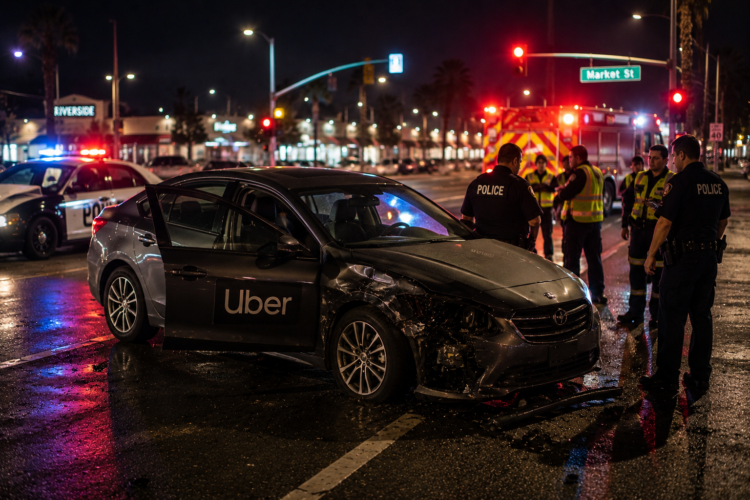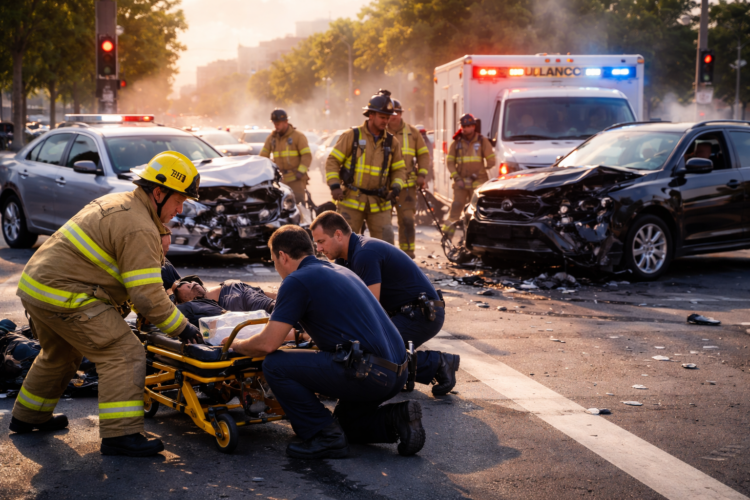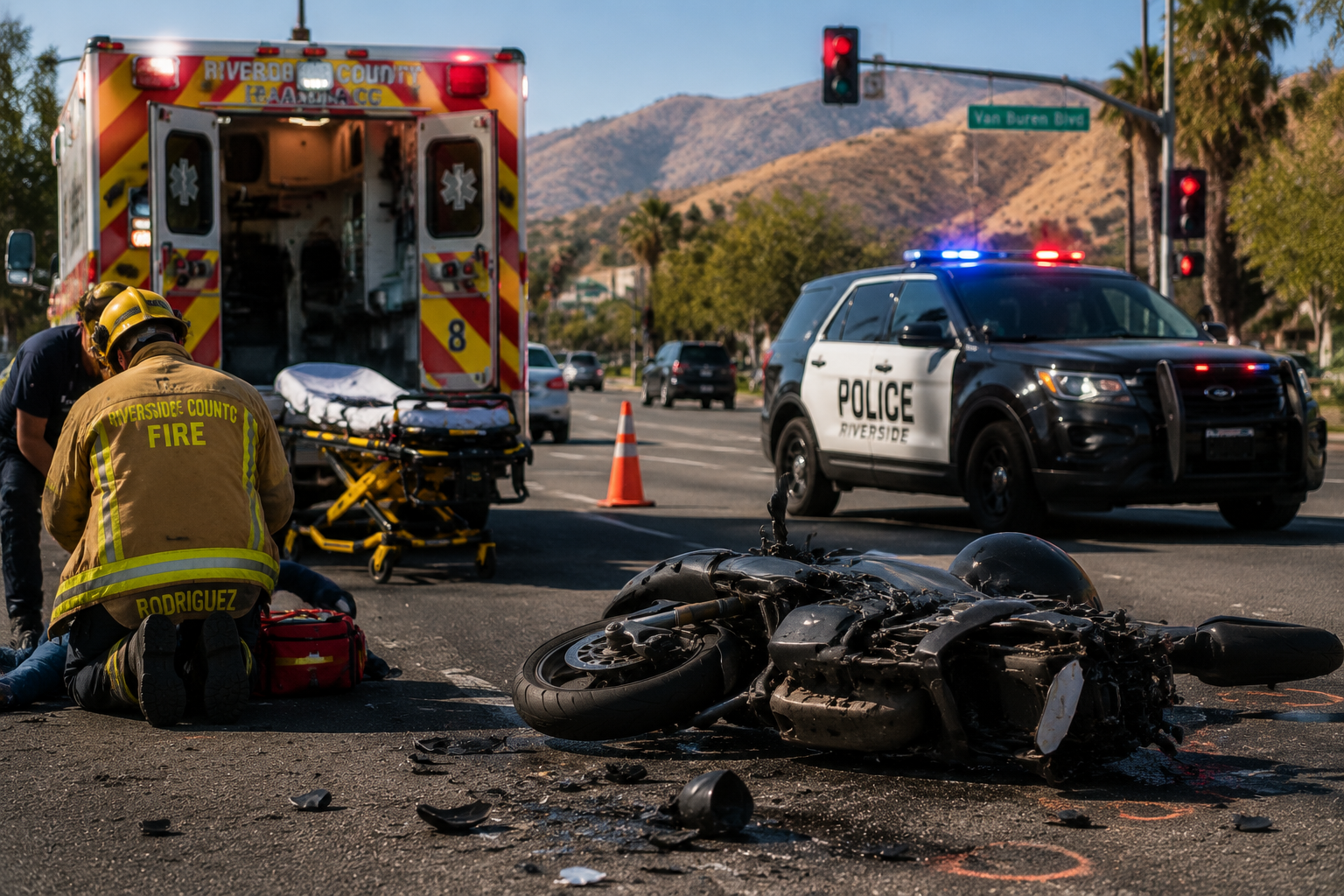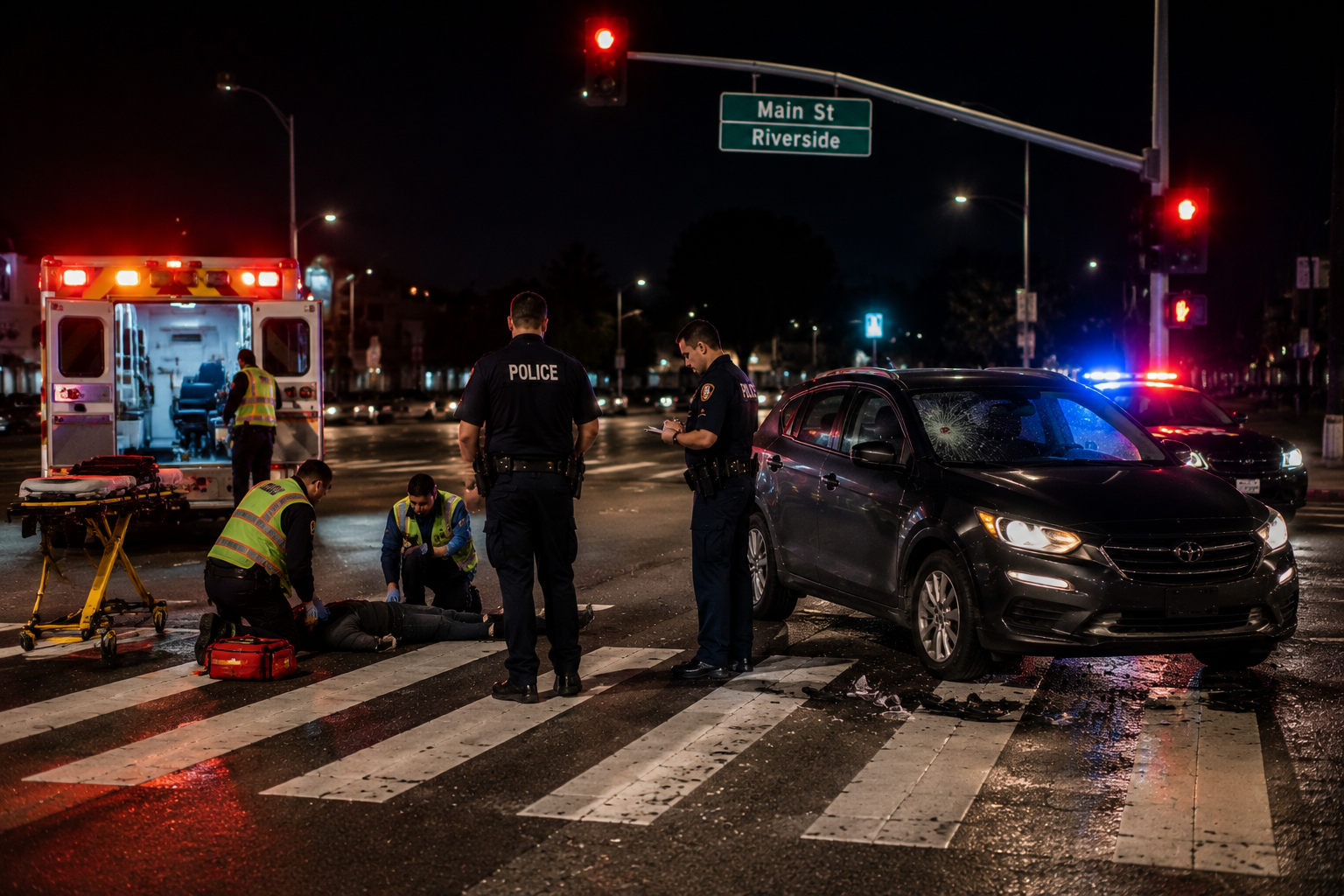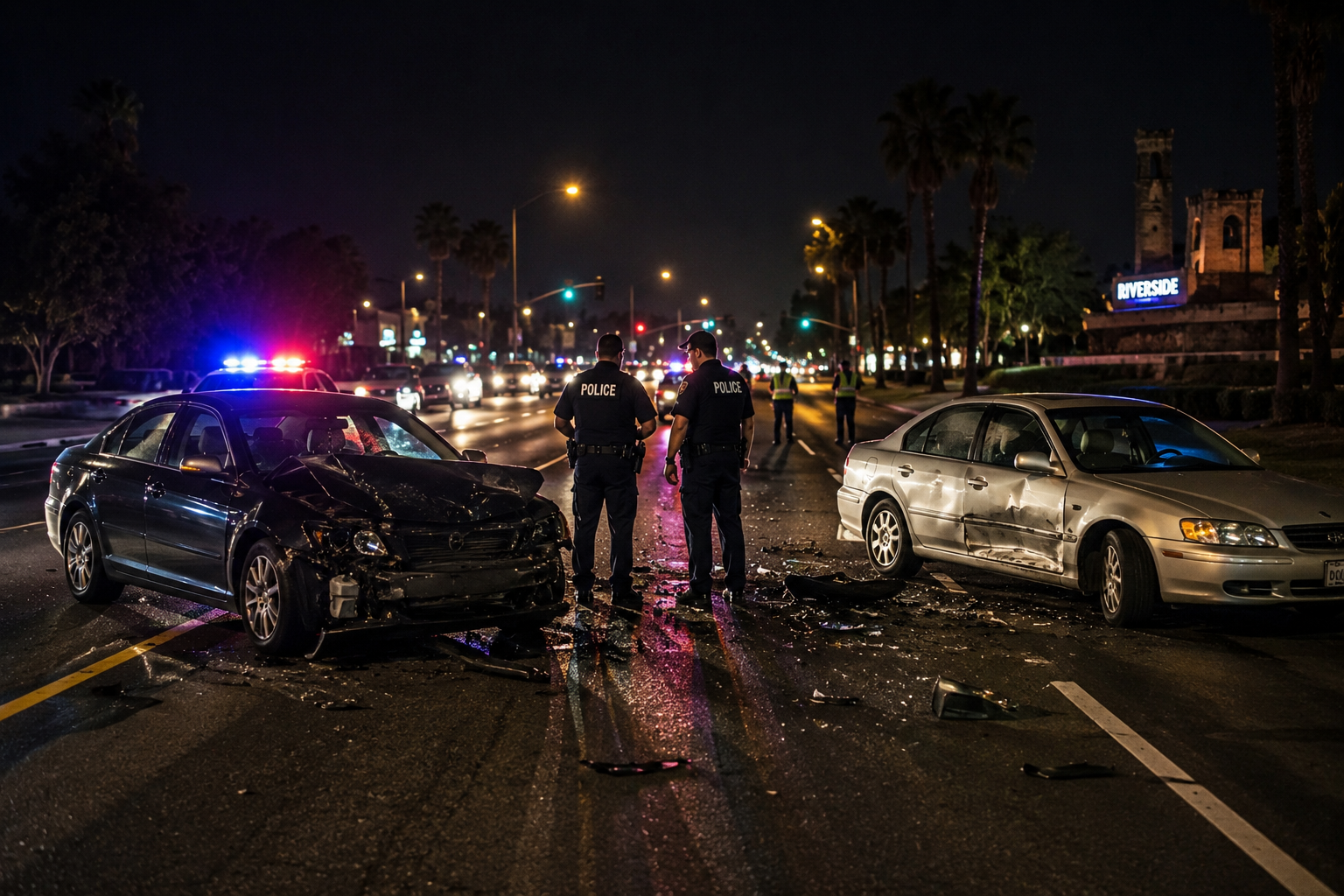
Car accidents involving uninsured drivers can create serious financial and legal concerns for injured victims in Riverside County. California law requires drivers to carry minimum liability insurance, but many motorists continue driving without valid coverage. When an uninsured driver causes a crash, injured individuals often face uncertainty about medical expenses, vehicle repairs, and insurance claims.
Understanding how uninsured motorist claims work may help accident victims make informed decisions after a collision. California insurance policies sometimes include uninsured motorist coverage, which may apply when the at-fault driver does not carry active insurance.
Drivers involved in these crashes often search for information about injury claims, insurance disputes, and what evidence may help support their case. Riverside County accidents involving uninsured motorists can involve multiple insurance companies, police investigations, and questions about available compensation.
How Uninsured Driver Accidents Happen
Uninsured driver accidents happen in many different situations throughout Riverside County. Busy highways, intersections, residential streets, and parking lots may all become locations for serious crashes involving drivers without insurance coverage.
Some uninsured drivers continue operating vehicles after their insurance policies lapse, while others never purchase insurance at all. Financial hardship, suspended licenses, or repeated traffic violations sometimes contribute to uninsured driving.
Common causes of uninsured driver accidents include:
- Distracted driving
- Speeding
- Driving under the influence
- Unsafe lane changes
- Failure to yield
- Following too closely
- Running red lights or stop signs
According to the Insurance Information Institute, California continues to report a significant number of uninsured motorists each year. These crashes may leave injured victims struggling to recover damages if the at-fault driver lacks financial resources.
What to Do After an Uninsured Driver Accident
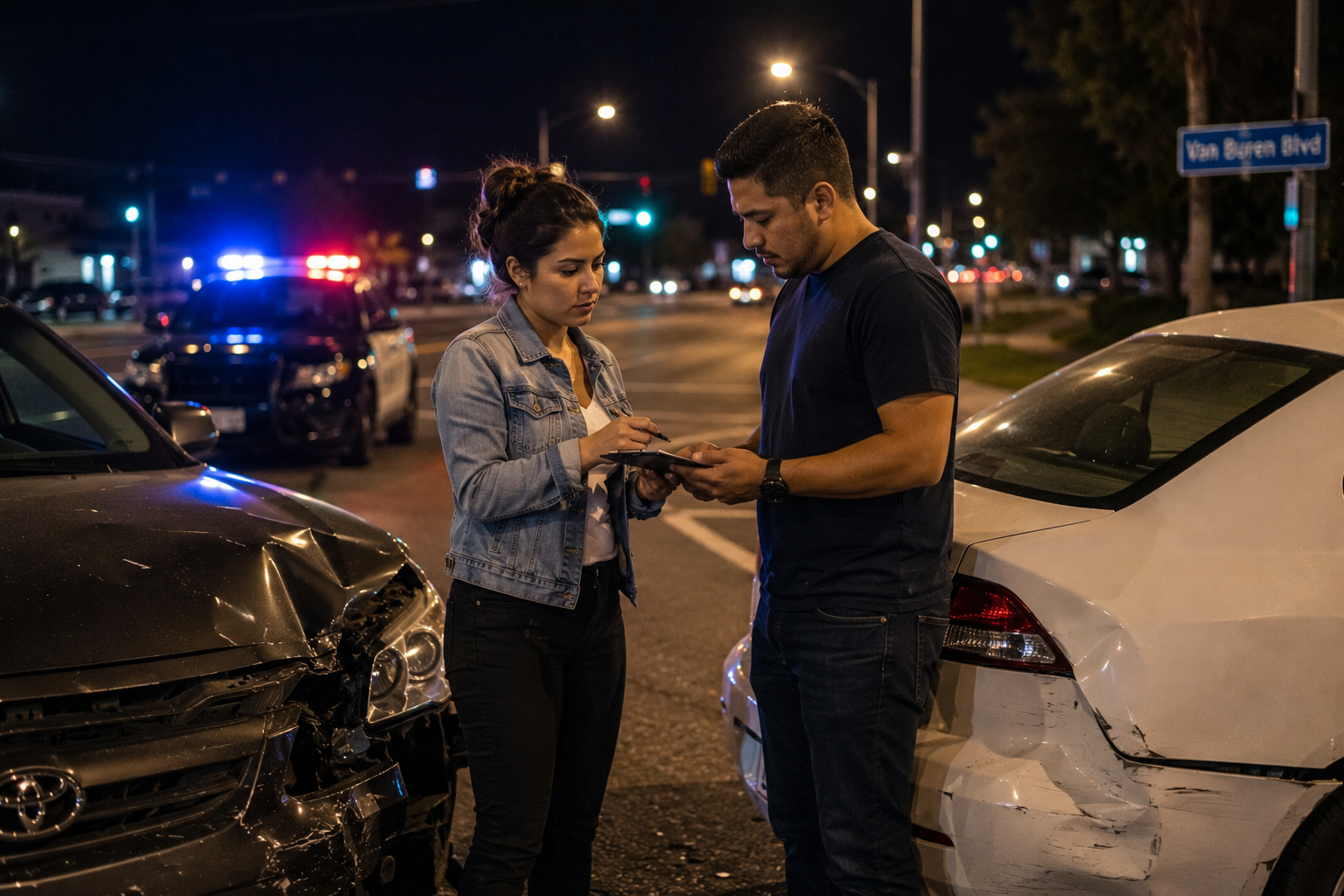
The steps taken after an accident may affect both insurance claims and injury documentation. Even if the other driver admits fault or states they do not have insurance, it is still important to gather as much information as possible at the scene.
Call Law Enforcement
Police reports often become important evidence in uninsured driver accident cases. Officers may document statements, vehicle damage, witness information, and potential traffic violations connected to the collision.
Seek Medical Attention
Some injuries may not appear immediately after a crash. Medical evaluations create records that may later connect injuries to the accident. The National Highway Traffic Safety Administration notes that symptoms involving neck injuries, concussions, and internal trauma sometimes appear hours or days later.
Gather Evidence
Photos, witness statements, vehicle damage, road conditions, and insurance information may all become useful during an uninsured motorist claim. If possible, drivers should also document license plates, nearby traffic signs, and weather conditions.
Additional evidence collection tips can be found in our guide about personal injury laws in Riverside County.
Understanding Uninsured Motorist Coverage
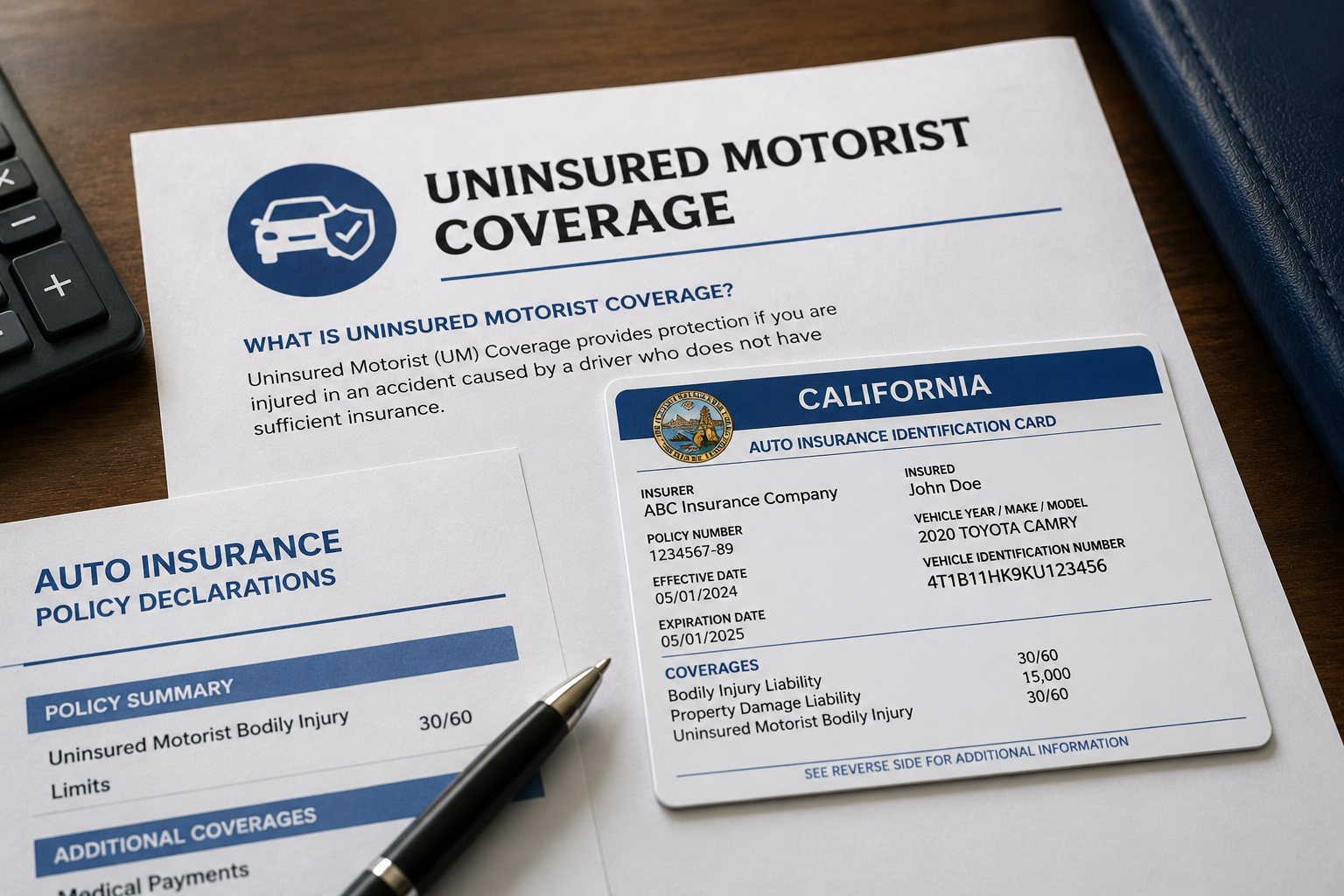
Many California drivers carry uninsured motorist coverage as part of their automobile insurance policy. This coverage may apply when the at-fault driver has no insurance or cannot be identified.
Uninsured motorist coverage may help with:
- Medical expenses
- Lost income
- Pain and suffering damages
- Certain accident-related costs
Insurance companies may still investigate these claims carefully. Policyholders often need to provide medical records, police reports, photographs, and other documentation supporting the claim.
The California Department of Insurance provides additional information regarding uninsured and underinsured motorist coverage requirements in California.
Can You Still Recover Damages?
Recovering damages after an uninsured driver accident may depend on several factors, including available insurance coverage, the severity of injuries, and the financial circumstances of the at-fault driver.
Some accident victims pursue claims through their own uninsured motorist policy, while others may explore additional avenues involving third-party liability. For example, another party may share responsibility if defective vehicle parts, unsafe road conditions, or commercial vehicle involvement contributed to the collision.
California follows comparative negligence rules, meaning fault may sometimes be shared among multiple parties. You can learn more by reviewing our article on comparative negligence in Riverside accident claims.
What Evidence Helps Support a Claim
Strong evidence often plays a major role in uninsured motorist accident claims. Insurance companies may question injury severity, treatment timelines, or fault determination.
Helpful evidence may include:
- Police reports
- Medical records
- Witness statements
- Traffic camera footage
- Vehicle repair estimates
- Photographs of injuries and damage
- Phone records or surveillance footage
In some situations, accident reconstruction experts may also help analyze crash details and vehicle movements.
How Insurance Companies Handle These Cases
Insurance companies may investigate uninsured motorist claims similarly to other injury-related claims. Adjusters often review police reports, medical treatment records, and repair estimates before evaluating settlement discussions.
Some disputes may involve:
- Whether the driver was truly uninsured
- The seriousness of injuries
- Fault determination
- Coverage limitations
- Medical treatment timelines
Claim delays sometimes happen when insurers request additional documentation or conduct independent investigations.
The American Bar Association explains that insurance disputes involving injury claims can become complex when multiple policies or coverage questions exist.
Common Injuries in Uninsured Driver Accidents
Uninsured driver accidents may result in both minor and catastrophic injuries. High-speed crashes often increase the likelihood of serious physical harm.
Common injuries include:
- Whiplash injuries
- Back and spinal injuries
- Broken bones
- Traumatic brain injuries
- Concussions
- Internal bleeding
- Soft tissue injuries
Long-term recovery sometimes requires physical therapy, follow-up care, or extended medical monitoring.
Why Legal Guidance May Help
Uninsured driver accident claims sometimes involve complicated insurance policy language, liability disputes, and documentation requirements. Legal guidance may help injured individuals understand available options and insurance procedures.
Attorneys handling Riverside County accident claims may assist with reviewing policies, gathering evidence, communicating with insurance companies, and evaluating potential damages connected to the collision.
Additional information about injury-related legal claims can also be found in our article covering common mistakes after a personal injury accident.
Final Thoughts
Being hit by an uninsured driver in Riverside County may create uncertainty about medical expenses, insurance coverage, and financial recovery. Understanding how uninsured motorist claims work, gathering evidence early, and documenting injuries carefully may help strengthen a claim.
California insurance laws, coverage limits, and comparative negligence rules can all influence how these cases move forward. Accident victims often benefit from understanding the claims process and reviewing available insurance coverage after a collision.